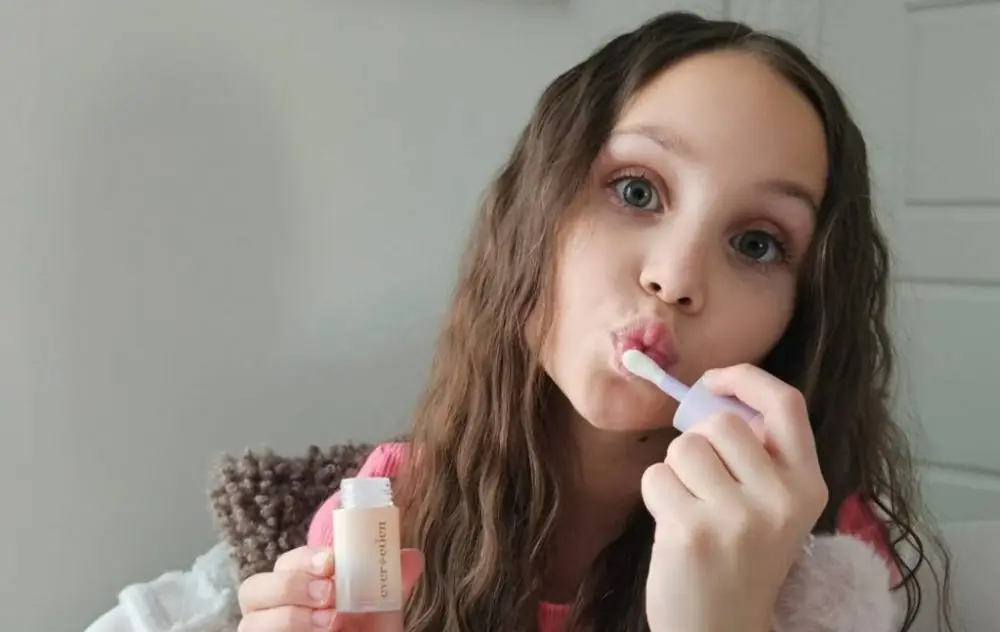
The skincare world has a kid problem. Children as young as 8 – 9 are now obsessed with anti-aging routines meant for adults. This is not about acne or sunscreen. It is about retinol, acid peels, and $90 creams designed for people decades older. A new study in Pediatrics says it is dangerous, and brands are fueling the fire.
Skincare used to be about keeping your skin healthy. Now it is about looking perfect, even if you are still losing baby teeth. Social media is flooded with kids posting their 8-step routines.
They use products with ingredients strong enough to damage adult skin. But Gen Alpha wants that “glass skin” glow. And marketers are cashing in.
How Skincare Became a Playground Trend
TikTok and YouTube are packed with “Get Ready With Me” videos. In them, young influencers show off skincare hauls full of adult products: Drunk Elephant, Glow Recipe, and The Ordinary.
@ultimatebykomi Dad was not a fan😅 @Haleigh.Booth #makeuptutorial #toddlersoftiktok #sephorakids #girlmakeup #barbiemakeup ♬ original sound – ULTIMATE
These videos often hit over a million views. That is a lot of eyes on routines packed with acids, retinoids, and scents that belong in a spa, not a lunchbox.
The packaging is bright and bubbly. Think strawberry-scented serums, cartoon logos, and fun names. It feels like a toy store, but it is high-powered skincare. Brands say they don’t target kids, but many have leaned into the trend. Drunk Elephant even released a “safe for kids” list, which is basically a green light for parents.
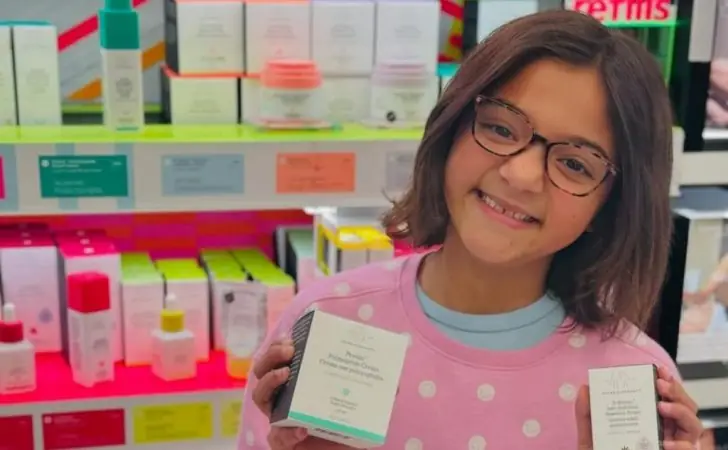
The Pediatrics study found the average routine included 11 irritating ingredients. Redness, peeling, breakouts, and even permanent allergies are showing up in clinics.
Kids are chasing an image that doesn’t exist. Filters and perfect lighting make “glazed doughnut” skin seem real. But when reality doesn’t match, the fallout is harsh. Dermatologists are seeing more young patients with body image issues, stress, and low self-esteem.
The Business of Beauty Has a New Target
Gen Alpha has money behind it. Families are spending nearly 30% more on skincare since the pandemic. By 2028, the child skincare market could hit $380 million. Brands know this. They are creating fruity, fun products that appeal directly to kids, even if they say they aren’t.
The alarming part is that most of these “skinfluencers” are just kids. They don’t know what they are using or what it does. Some mix multiple acids or use tretinoin, strong enough to treat acne in adults, for anti-aging.
They copy what they see without understanding the risks, and brands aren’t correcting them. They are quietly benefiting.
Skincare advice online is a mess. Even well-meaning influencers spread harmful tips. Parents often feel left behind or unsure of what is safe.

Opponents claimed it would be hard to enforce. Meanwhile, the market keeps growing, and the content keeps spreading.
Experts Say Simpler Is Safer
Dermatologists are clear. Children don’t need anti-aging skincare. Most kids need just three things: a gentle cleanser, a fragrance-free moisturizer, and sunscreen. That is it. Anything else is not only unnecessary, it is potentially harmful.
Some ingredients, like benzoyl peroxide or salicylic acid, can help with acne if prescribed. But no kid needs retinol or alpha hydroxy acids to fight wrinkles. They don’t have wrinkles. Their skin is still developing. Overloading it now can cause damage that lasts for years.