Many products placed in toddler food aisles are marketed as healthy choices, but new research suggests that a large share of these foods may not meet recommended nutrition standards. A review of toddler foods sold in grocery stores across Texas found that ultra-processed products account for most of the available options, raising questions about sugar, sodium, and overall nutritional quality for young children.
Researchers analyzed packaged foods designed for children between 6 and 36 months and found that four out of five products were classified as ultra-processed. The study also showed that 49% of these foods failed to meet at least one nutrition recommendation from the World Health Organization (WHO) Nutrition and Promotion Profile Model (NPPM) for commercial foods aimed at young children.
The findings were presented at NUTRITION 2026, the annual conference of the American Society for Nutrition, held from July 25-28 in National Harbor, Maryland.
The research was conducted by Erin A. Hudson, JD, ASN Science Policy Fellow and PhD candidate at The University of Texas at Austin, along with Marissa Burgermaster, PhD, assistant professor at The University of Texas at Austin.
Study Finds High Levels of Ultra-Processed Products
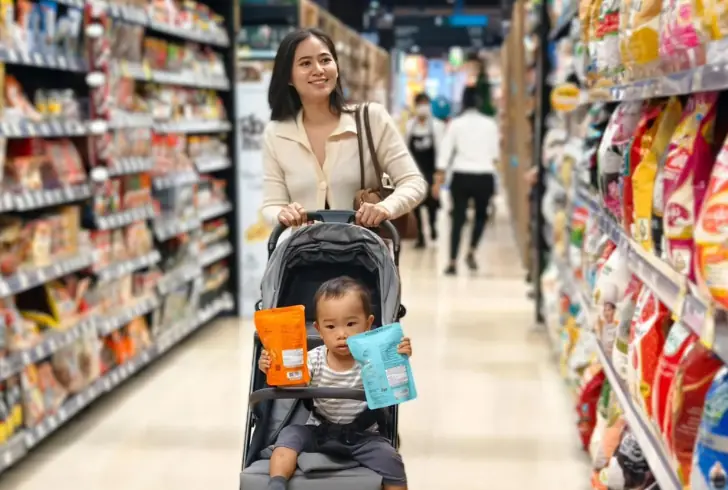
The research team collected images of baby and toddler food sections from 21 grocery stores in Austin, Texas. They reviewed the nutrition details of 2,783 products marketed for children aged 6 to 36 months. The study excluded infant formula, beverages, and common first-food purees.
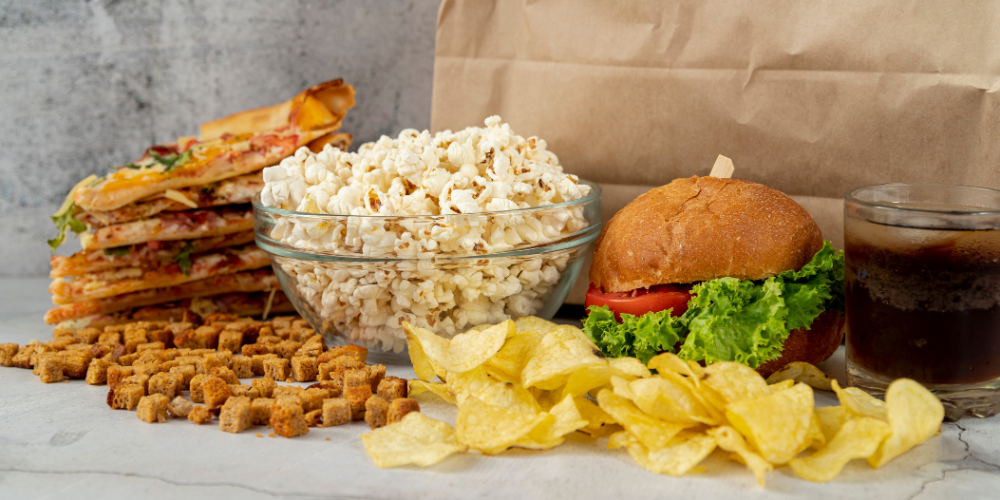
Using the Nova food classification system, researchers identified 81% of the products as ultra-processed. These foods often contain added sugars, artificial ingredients, flavor enhancers, or other components linked with industrial processing.
The nutrition review found several areas of concern. About 17% of products exceeded recommended sugar levels, 25% contained too much sodium, 11% did not meet recommended fat standards, and 12% failed energy density guidelines.
Some examples included fruit pouches with high sugar content, oat bars containing excess sugar and calories, mac and cheese products with high sodium and fat levels, turkey sticks with elevated sodium and fat, and snack items such as cheese puffs and peanut butter puffs with high calorie, sodium, or fat levels.
Early Eating Habits Can Affect Future Choices
Toddler years play an important role in developing food preferences. The flavors and eating patterns introduced during this period can influence choices later in childhood. Researchers noted that high sugar intake remains a concern because excessive sugar consumption can affect young children’s health.
The study found that ultra-processed toddler foods were more likely to contain high sugar amounts compared with products that had less processing. This difference highlights the need for parents to check ingredient lists and nutrition labels instead of relying only on product packaging or marketing claims.
“Many parents may assume that products sold on the baby/toddler food aisles of their grocery stores have to meet certain nutrient standards. Our findings highlight that half of the toddler foods available in local grocery stores do not,” said Erin A. Hudson.
She added that parents often need to carefully review labels and ingredients to understand the nutrient content and processing level of foods offered to toddlers.
Food Processing and Nutrition Quality

Researchers explained that higher fat or calorie levels do not always mean a food has poor nutritional value. Some less-processed foods may naturally contain more calories or fat because they include nutrient-rich ingredients such as peanuts or beef.
The concern with many ultra-processed toddler foods is that they may contain high amounts of sugar without providing similar nutritional benefits. Previous research has linked ultra-processed food consumption with negative health outcomes, although scientists continue to study which specific features of these foods contribute to those effects.
The researchers suggested that clearer food labels, including warning information for products high in sugar, sodium, or calories, could help parents make more informed decisions.
Researchers Call for Clearer Product Information
The study focused only on packaged toddler foods found on grocery store shelves, so it does not represent all the foods parents may serve at home. Still, the findings highlight concerns about the nutritional quality of many commercial toddler products.
As the U.S. Food and Drug Administration reviews possible updates to front-of-package nutrition information, healthy food claims, and marketing rules for children, researchers say clearer labeling could make it easier for families to identify healthier options.
The review of toddler foods in Texas grocery stores shows that many products marketed for young children are highly processed and may not meet global nutrition recommendations.
With careful label reading and greater awareness of ingredients, parents can better understand the foods they choose during the early years of childhood development.