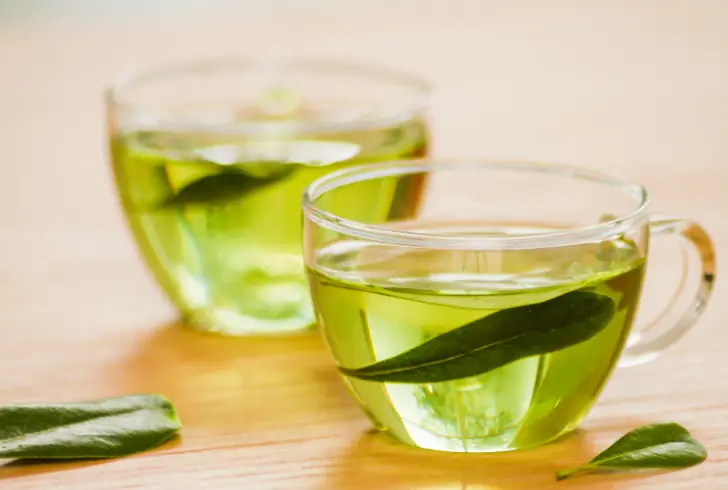
A daily cup of green tea could do more than provide a refreshing break. New research suggests it may deliver more heart-supporting flavanols than many fruits commonly linked with healthy eating.
While eating five servings of fruits and vegetables each day remains a smart habit, scientists say the type of produce matters just as much as the quantity.
Why Flavanols Matter
Flavanols are natural plant compounds known for their antioxidant and anti-inflammatory properties. They help support heart health by protecting blood vessels and lowering the risk of cardiovascular disease.
Researchers analyzed the diets of more than 30,000 people across the United Kingdom and the United States using biomarker measurements. The findings showed that fewer than one in five participants reached the recommended daily intake of more than 500 milligrams of flavanols. Surprisingly, many people still fell short even when they regularly followed the NHS recommendation of eating five portions of fruits and vegetables each day.
As researcher Gunter Kuhnle explained, “Five-a-day is the right message, but we may need to think more carefully about which five.”
Green Tea Ranked Among the Best
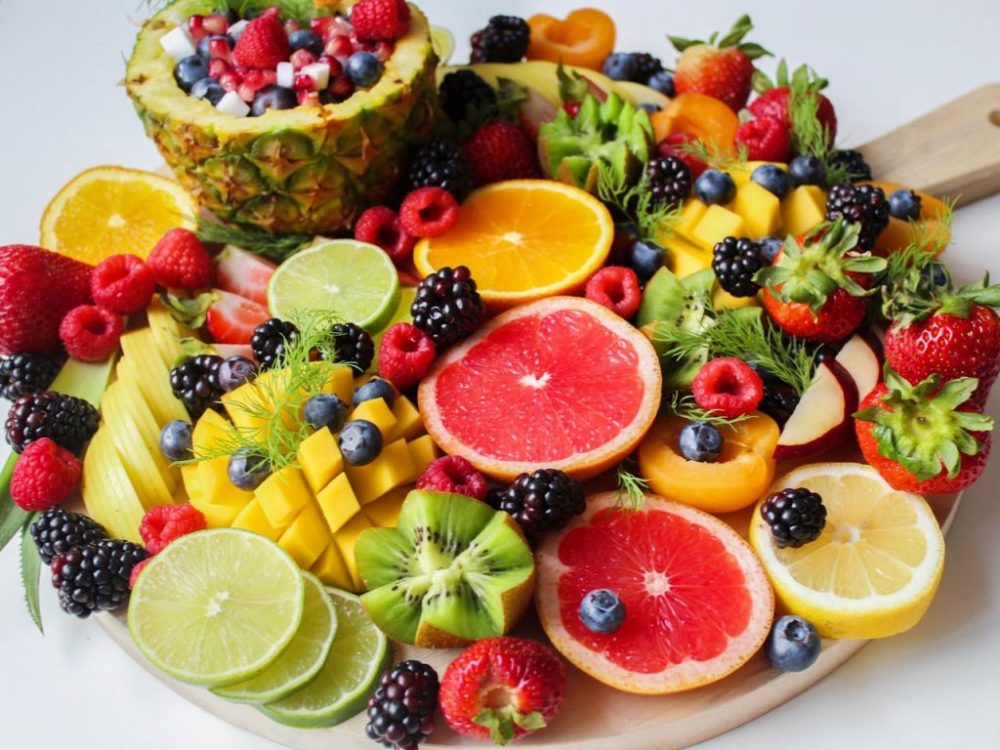
The study, published in the journal Food and Function, ranked foods according to their flavanol content. Green tea secured the fourth spot, placing ahead of apples, blueberries, and strawberries.
One cup of green tea provides about 200 milligrams of flavanols. By comparison, a serving of blueberries contains around 80 milligrams. Only three foods ranked higher than green tea: plums, cranberries, and blackberries.
These findings highlight that certain plant-based foods can contribute much more to daily flavanol intake than others.
Additional Health Benefits

Research published by the National Library of Medicine also links green tea with a lower risk of several health conditions. Studies suggest it may support the prevention of certain cancers as well as neurological, cardiovascular, respiratory, and metabolic disorders. Green tea may also help the body remove toxins more effectively.
Even so, moderation remains important. Since green tea naturally contains caffeine, drinking it late in the evening may interfere with sleep for some people.
The latest findings do not replace the advice to eat a variety of fruits and vegetables. Instead, they suggest paying closer attention to foods naturally rich in flavanols.
Including green tea, along with options such as plums, cranberries, and blackberries, can help increase flavanol intake while supporting overall heart health as part of a balanced diet.