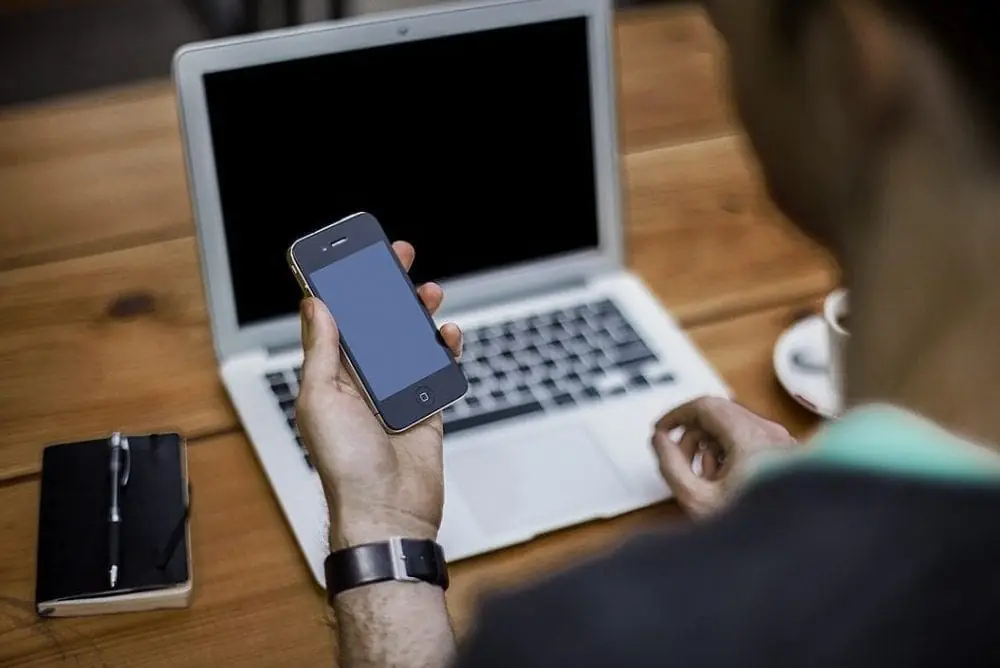
We already live in stressful times thanks to the coronavirus, now our mental health is being shaken up by the ever-presence of social media. Depression and anxiety are at an all-time high, and people aren’t nearly getting as much sleep as they need. Why? It may have something to do with our addiction to electronic gadgets and smartphones.
While most of us have been taking a much-needed break from work during quarantine, our social media usage has gone through the roof. But being available online 24/7 can have its pitfalls. You probably won’t realize how damaging it can be for your mental health until you turn the notifications off and give yourself a much-needed downtime.
If you’re still lucky enough to have a job, your office meetings have moved to virtual meeting platforms like Zoom, Skype, and Whatsapp. While the convenience of these apps is commendable, you can’t always clock off at 5 p.m. like you used to when you were still able to work from an office.
This is exactly what happened to Sade Taiwo who works as a social media consultant, who found it hard to cope with the recent changes in her job that found her working from home like most other people.
This meant that she was drowning in endless work-related notifications that continued to pour in even late at night. This began to affect her mental health until she had an epiphany that put an end to her misery.
Like most of us, Taiwo was getting tons of notifications from group chats she was in, which included those with friends, family, and work. Whenever she looked at her phone, the blue light was blinking back at her.
This was nothing but a distraction that only added to her stress. Constantly responding to messages was becoming a chore for Taiwo until she decided that she wasn’t going to put up with it anymore.
She didn’t want people to give the impression that she was available 24/7, so she decided to turn off the notifications to limit her screen time and enjoy some moments to herself.
Clinical Psychologists agree that social media notifications can carry a sense of overwhelmingness and constantly interrupt our inner peace and focus. Not to mention how draining it can be to look at your phone every few minutes.
Turning off your app notifications may seem strange in the beginning, especially if you’re not used to it, but you’ll eventually get over this fear of missing out, and over time, feel more liberated. Turning off her Whatsapp notifications gave Taiwo a newfound sense of peace and freedom.