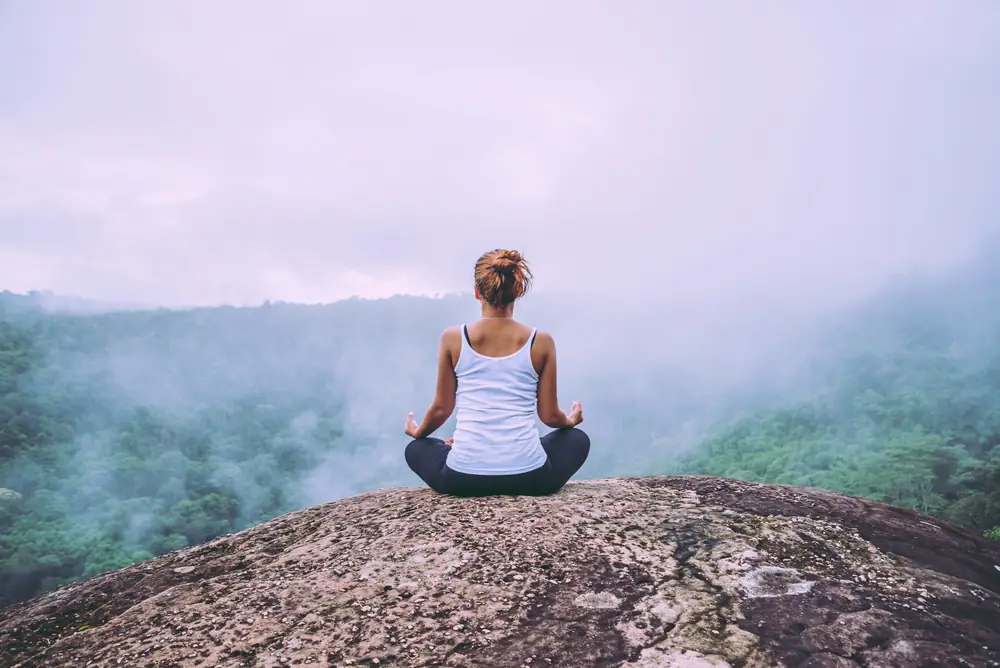
Mindfulness and meditation are the two pillars of health, but it’s not always easy to tell them apart from each other. Aren’t they one and the same thing? Surprisingly not.
2020 has been one of the most stressful years ever, with the human race facing threats on all fronts, from racism to viral outbreaks to global warming. It’s hard to tell whether we’ll survive another 10 years. All this uncertainly has bound to amplify our anxiety and fears, making it all the more necessary to pay attention to our health.
The coronavirus lockdown has brought our lives to a screeching halt: we can’t go to work, we can’t see our loved ones, we can’t even go out to grab a drink to calm our nerves. But since you’re stuck at home, this might be the perfect time to indulge in some much-needed self-care.
Your mental health is just as important as your physical wellbeing. Practicing meditation helps combat stress and anxiety, and there are plenty of apps that help you focus on your breathing, and being present in the moment. Mindfulness, on the other hand, is completely different.
According to Andy Puddicombe, the founder of a meditation app called Headspace , meditation is a practice that requires your undivided attention for a few minutes to simply focus on being present and allowing all other thoughts to melt away from your mind.
Mindfulness has its similarities to meditation but it’s more of a lifestyle than an exercise. Being mindful means thinking and living with an open heart and mind, leading a life with kindness and empathy.
You can say that meditation is an exercise, just like going to the gym or doing yoga. It is an important practice that teaches you to be more in control of your thoughts, and practice self-control. This can help you achieve better focus while performing your everyday tasks and boost overall productivity.
Given the constant distractions we face every day from digital devices, there has never been a greater need for meditative exercises to improve mental focus. Mindfulness, on the other hand, is an overarching practice that requires more than just a few minutes of your time every day.
While meditation may take 30 minutes or less of your day, there are 23 hours and 30 minutes of your day where you’re not paying attention to your mental wellbeing. This is where mindfulness comes in.
Mindfulness can be coupled with any of your daily activities like eating, brushing teeth, or lying in bed. It requires you to be present and more conscious, even if it is for a few minutes.
Mindfulness and meditation are equally important concepts that will change the way you live and help you achieve a sense of peace and tranquility when you need it the most.