Inflammatory bowel disease (IBD) is a chronic condition affecting the intestines, with Crohn’s disease and ulcerative colitis being the most common types. Research suggests the Mediterranean diet may help manage symptoms and support gut health. This eating pattern emphasizes fruits, vegetables, whole grains, and healthy fats while limiting ultra-processed foods, potentially benefiting those with IBD.
Gut microorganisms significantly influence the development and progression of IBD. The Mediterranean diet’s focus on nutrient-dense, fiber-rich foods can positively impact the gut microbiome. Promoting bacterial diversity and reducing inflammation may aid in managing IBD symptoms.
This dietary pattern’s low levels of processed foods and high intake of antioxidants and anti-inflammatory compounds are particularly relevant. While the exact mechanisms are still under investigation, studies suggest the diet’s role in modulating gut health is promising for IBD patients.
Fiber and Carbohydrates
Dietary fiber is a cornerstone of the Mediterranean diet, offering prebiotic benefits by feeding beneficial gut bacteria. Fructo-oligosaccharides in some fruits and vegetables may improve intestinal permeability in Crohn’s disease patients. However, not all fibers are beneficial; some can exacerbate symptoms in active IBD cases. Components like chitosan and pectic polysaccharides also show promise in supporting gut health.
Proteins
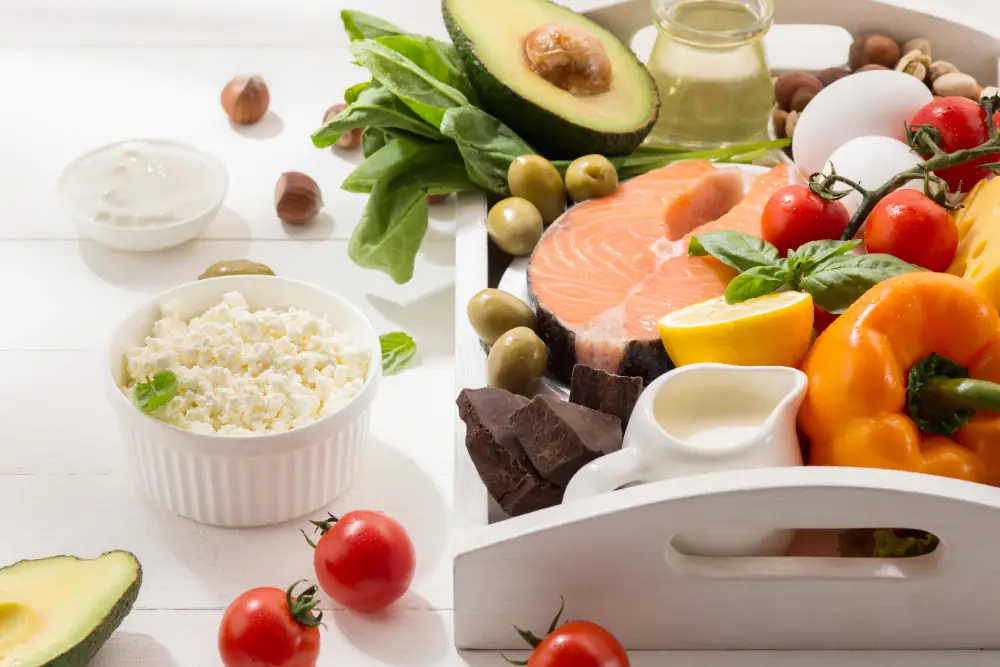
Plant-based proteins from legumes and seeds have shown anti-inflammatory effects, potentially aiding IBD management. Nuts and seeds, rich in healthy fats and fiber, may decrease proinflammatory bacteria while improving bacterial diversity. Dairy products like kefir, which contain probiotics, could further enhance gut health and reduce inflammation.
Healthy fats, primarily unsaturated fats, are a defining feature of the Mediterranean diet. Olive oil, rich in polyphenols and antioxidants, may help reduce inflammation in IBD. Omega-3 fatty acids from fish and seeds also offer anti-inflammatory benefits, although research yields mixed results. While omega-3s may help reduce flares in some cases, their role in IBD prevention or progression requires further investigation.
Red Wine Components
Moderate red wine consumption, a characteristic of the Mediterranean diet, has been linked to potential benefits in IBD. Resveratrol, a compound found in red wine, may reduce intestinal inflammation and support gut microbial balance. However, excessive alcohol can worsen IBD, making moderation crucial.
Beneficial Pigments and Antioxidants
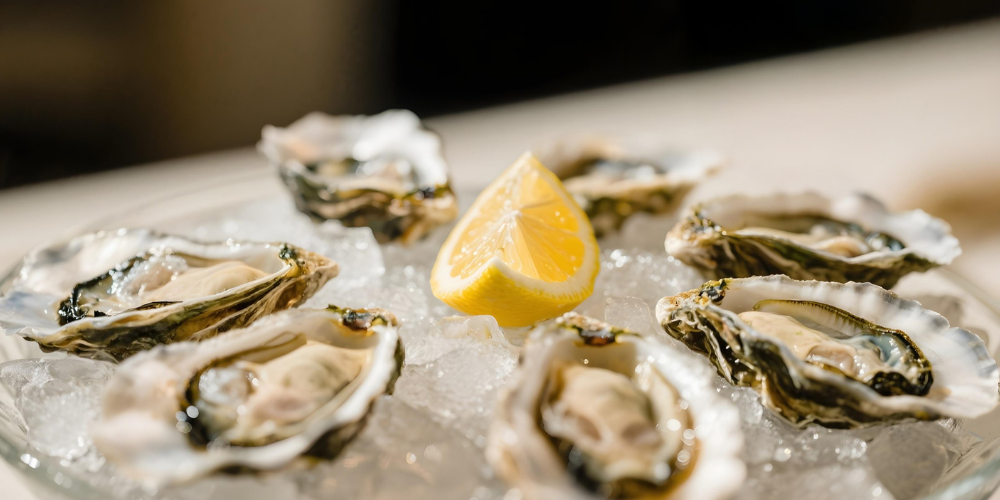
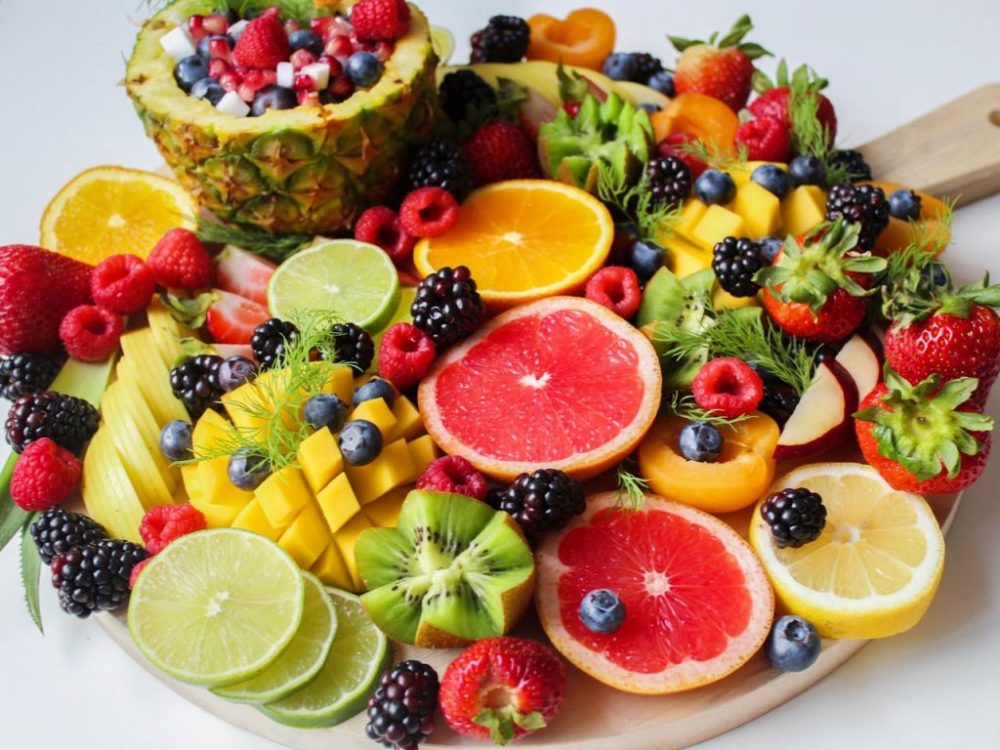
Quercetin, found in onions, berries, and citrus fruits, may decrease harmful gut bacteria and reduce intestinal permeability. Astaxanthin, a pigment in seafood, can help maintain mucosal integrity, while lycopene from tomatoes may lower inflammation and support immune responses. Each of these compounds shows promise but requires more research to confirm their specific effects.
The Mediterranean diet provides various nutrients that may act synergistically to improve IBD outcomes. However, adherence to this diet can be challenging, and individual variations in response make personalization essential. Further research is necessary to confirm the roles of certain components, like curcumin and epigallocatechin gallate, and to explore their interactions with pharmacological treatments.