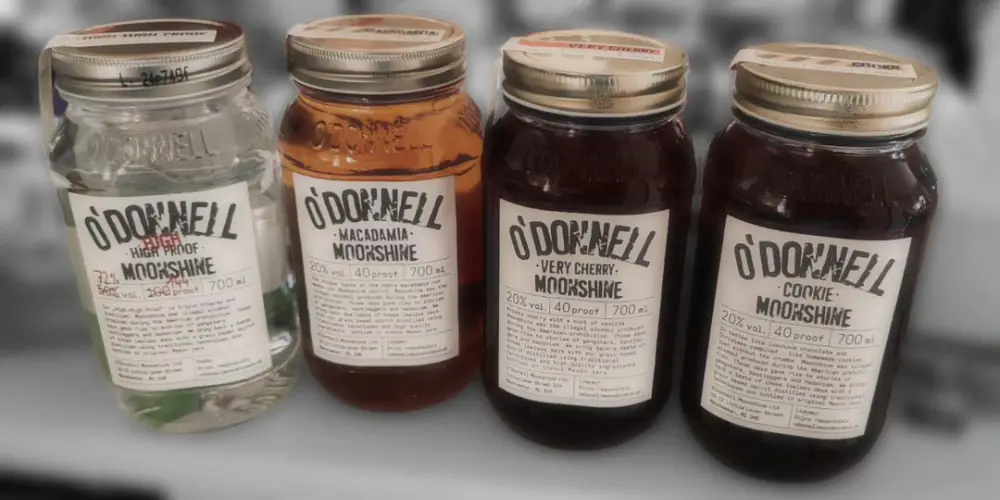
Moonshine, that potent and clear spirit, has fascinated many for decades. Whether you’re intrigued by its storied history or simply curious about the process, understanding how to make moonshine involves more than just following a recipe.
This guide will walk you through the essentials of moonshine production, from basic ingredients to the intricacies of distillation. Let’s dive into this compelling journey!
Moonshine is essentially a high-proof alcohol made from various grains, most commonly corn. It’s known for its purity and distinctive clarity because it isn’t aged in barrels like traditional whiskey. The term “moonshine” originates from the Prohibition era in the United States, when alcohol production was illegal. To avoid detection, distillers operated under the cover of darkness, hence the name.
In the United States, producing moonshine at home is illegal, regardless of whether it is sold or consumed privately. The law prohibits distillation without proper licensing, making it crucial to understand these regulations if you’re curious about the process.
If you’re seriously considering distilling, knowing what equipment you need is vital. Modern setups are far safer and more efficient compared to the makeshift apparatus used by early moonshiners.
Mash Equipment:
Fermentation Equipment:
Distillation Equipment:
Creating moonshine involves more than just having the right equipment; the recipes you use will significantly affect the final product. Here are a few tried-and-true recipes:
This classic recipe highlights the fundamental aspects of moonshine production with a corn base, supplemented by malted barley and rye. It produces a sweet, full-bodied flavor with a smooth finish.
Ingredients:
Procedure:
This variation combines grain with granulated sugar to achieve a higher alcohol content. It’s ideal when working with corn, which can be challenging to mash efficiently.
Procedure:
Added Sugar vs. Potential Alcohol:
For a unique twist, try Honeyshine, which uses honey instead of granulated sugar. This recipe is perfect for those interested in creating a mead-like moonshine.
Ingredients:
Procedure:
Distillation is the process of separating alcohol from water through heating. Here’s a basic overview of how it works:
Distillation Safety Tips:
Learning how to make moonshine can be an intriguing exploration into a classic craft. While the process might seem daunting, breaking it down into manageable steps and using the right equipment makes it accessible.
Remember, though, that distilling without proper permits is illegal, so always be sure to follow the law and prioritize safety. Enjoy the journey of discovery, and if you choose to experiment, do so responsibly and legally.