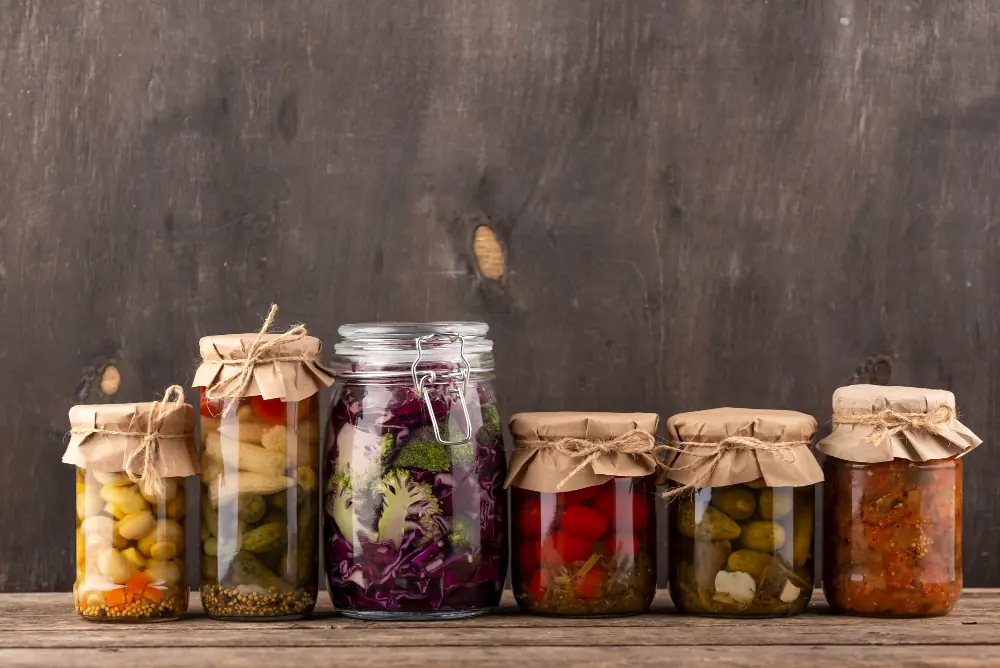
Fermentation is one of the oldest ways to preserve food, and it is making a serious comeback. Not just because it keeps food longer, but because it is loaded with health perks. Think better digestion, more nutrients, and a happy gut. The best part? You don’t need fancy tools or a science degree to do it. Just a few jars, some salt, and fresh veggies.
Fermentation is a natural process where good bacteria break down sugars and starches in food. This creates acids or alcohol, which act as natural preservatives. The result? Food that is tangy, zesty, and full of probiotics. These are the good bugs your body loves. They help balance your gut, support immunity, and even improve mood.
Fermented food has more vitamins and enzymes. It also becomes easier to digest. Your body doesn’t have to work as hard to break things down, because the bacteria already did part of the job.
How to Start Fermentation?
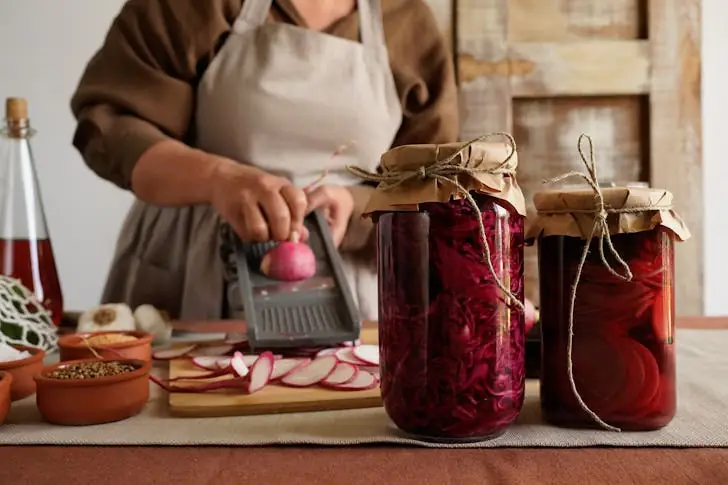
Don’t just grab random veggies. If you hate beets, skip them.
Next, you will need salt. But not just any salt. Use sea salt or canning salt. Table salt has additives that mess with fermentation. Go clean and simple. Salt helps pull water out of the vegetables and keeps the harmful bacteria out while the good bacteria do their thing.
Glass jars are your next must-have. Mason jars are perfect. They are non-reactive, easy to clean, and you can watch the bubbles form as fermentation begins. Plastic and metal can affect taste or even react with the acids. Stick with glass.
You will also need something to keep the veggies under the brine. You can buy fermentation weights or use a smaller jar that fits inside the big one. A clean cabbage leaf works too. The goal is to keep everything below the surface so mold can’t grow.
Prep Your Veggies
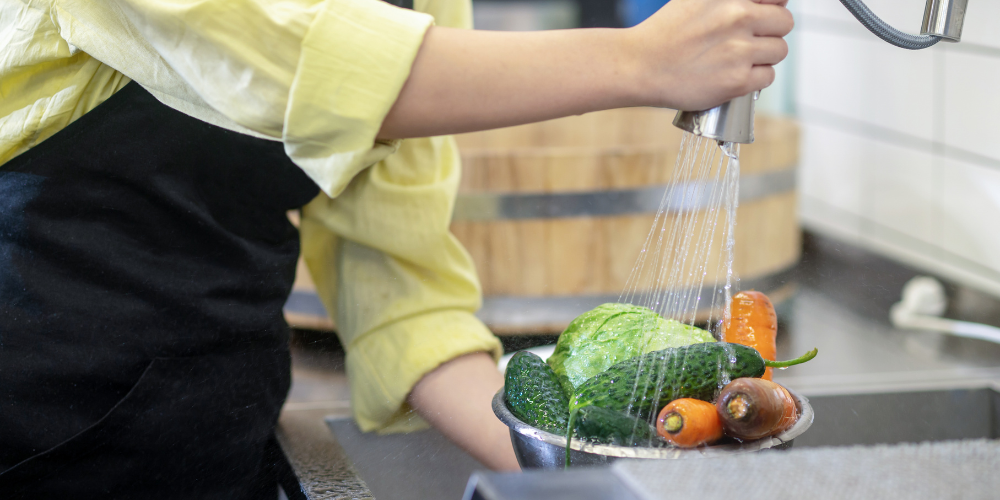
Grab your cabbage or whatever vegetable you are starting with. Wash it, peel it if needed, then chop it. The smaller the pieces, the faster they will ferment. For sauerkraut, thin slices are best. Once chopped, weigh your veggies. Then add salt, about 2% of the total weight. So, for 600 grams of cabbage, use 12 grams of salt.
Now, get your hands dirty. Massage the salted veggies hard. You want to squeeze them and break them down. This helps release water and kickstarts the fermentation process. After 5 to 10 minutes, the vegetables will look wilted and soggy, sitting in their own juice.

Pack It In
Time to fill your jar. Spoon in the veggies, press them down as you go. You want to pack it tight and remove air pockets. Air is the enemy of fermentation. Press everything under the brine. Top it with your cabbage leaf or a weight to hold it down.
The liquid should rise above the veggies. If it doesn’t, add a little more brine. Don’t leave anything floating on top. That is how mold grows. Once everything is snug and submerged, you are good to go.
Now, stash your jar away from direct sunlight. Room temperature, around 65 to 75°F, is ideal.
Every day, take a second to “burp” your jar. Just open the lid slightly to let gas escape. This keeps pressure from building up and prevents overflowing brine.