Cast iron skillets are kitchen legends for a reason. They are tough, they heat evenly, and once seasoned well, they become naturally non-stick. But if you don’t clean and care for them the right way, they will rust, get sticky, or lose their magic. Luckily, keeping your skillet in top shape doesn’t take a science degree. Just a few solid habits.
Let’s talk about how to clean it, how to maintain it, and how to fix little problems before they become big ones:
Basic Everyday Cleaning
Right after you finish cooking, your skillet needs a quick clean. Don’t wait too long. Letting food dry out in the pan only makes cleanup harder. Once the pan cools slightly but is still warm, rinse it under hot water.
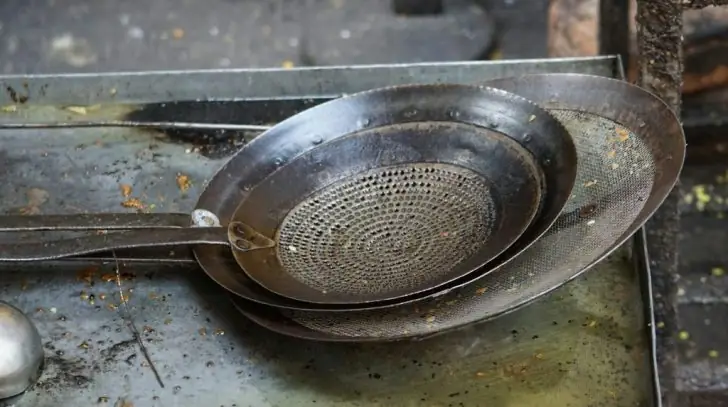
However, if food is sticking or burned on, don’t panic. Grab your kosher salt. Pour in a generous amount, then use a damp sponge or cloth to scrub the surface. The salt gently scrapes without stripping the seasoning.
No salt handy? Try this instead: Pour a cup of water into the skillet and let it simmer on the stove for a few minutes. The bubbling water softens the gunk. Then, scrape it off with a wooden spatula or scraper. Done.
Water is the enemy of cast iron. After rinsing, grab a dish towel and dry every inch of the skillet. Then, put it on low heat for a few minutes to evaporate any leftover moisture. When it is dry and warm, rub a very thin layer of neutral oil all over it.
Use a paper towel to spread it evenly. Then wipe off any excess. You want a dry-looking surface, not a greasy one.
How to Handle Common Issues?
Even if you clean it right, your skillet might hit a few bumps. One common issue is rust. It happens, especially if moisture gets left behind. If you see small rust spots, scrub them off with steel wool or a rust eraser. For heavy rust, soak the skillet in a 50/50 mix of vinegar and water.
But set a timer. A few hours is the max. Too long, and the vinegar can eat into the metal. After scrubbing off the rust, rinse, dry, and re-season the pan.
Another issue is a sticky or gummy surface. That means too much oil got baked on or didn’t cure properly. It is easy to fix. Place the skillet upside down in a hot oven, at around 450 to 500°F. Let it bake for an hour. Then let it cool down in the oven. That process helps burn off the sticky layer and reset the seasoning.
Seeing black flakes? That is seasoning flaking off. It occurs when a pan heats up too quickly or cools down too rapidly. It is annoying, but not a big deal. To prevent it, always warm up your skillet slowly. If it starts flaking, scrub it clean and reapply a thin layer of oil as usual. Keep using it, and the seasoning will rebuild over time.
What to Avoid?
Some things can ruin your cast iron quickly. First, never soak it. Leaving it in water, even for a short time, is asking for rust. Cast iron doesn’t like water. Period.
Ideally, wash it by hand. It is worth the extra minute. Skip the harsh abrasives. Steel wool is okay when fixing rust, but not for daily cleaning. Don’t reach for metal pads or wire brushes unless you are doing a full restoration. They will scratch the surface and ruin the seasoning.