Remember when cleaning and organizing used to be fun as a child? Then one day, we grew up and realized that it was nothing but a boring chore. But there’s a sense of peace and fulfillment that you get from tidying up your surroundings — no wonder why deep cleaning videos are so satisfying to watch.
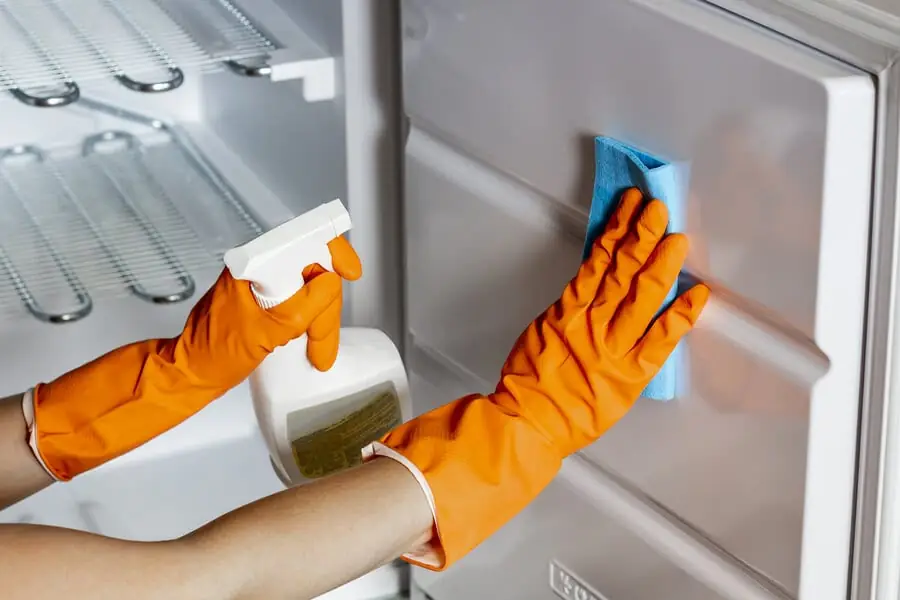
But there’s one area that might be getting seriously neglected during your cleaning routine. Most people assume that the refrigerator doesn’t require a lot of cleaning, because, well, we don’t sleep in it or live in it, do we? But our food lives in it, and it could easily get contaminated, making us severely ill.
Here are some precautions to take when keeping your fridge clean and your food contamination-free.
While the coronavirus may have pushed some to buy months’ worth of groceries at once, the rest of us had always been storing food in our fridge as if we were in the middle of a pandemic. But an overfilled fridge is worse than an empty one, so it might be time to finally declutter it.
You might be tempted to minimize your cooking time by prepping some vegetables and fruits in advance but pre-cut produce goes bad much quicker than leaving it whole in the fridge. This is especially true for fruits, which have a higher moisture content, so must be consumed within a day or two.
The pockets in your refrigerator door are a great place to store your water and sauces, but if you’re using it to store milk, you’re making a grave mistake. The door is the last point to get any cooling in your fridge which means that things can go bad really quickly. If possible, try putting your eggs on the top or middle shelf as well instead of storing it in the egg compartment.
If you’ve stocked up on too much produce from your local farmer’s market, and want to take some of the lettuce from the overflowing vegetable and put it in the fruit compartment, stop immediately and read this first. Your refrigerator is smarter than you so you’re probably better off listening to it.
The fruit compartment is specifically designed for fruits because of its low humidity which keeps its contents fresh for longer. The vegetable compartment, on the other hand, has high humidity in order to prevent your greens from wilting.