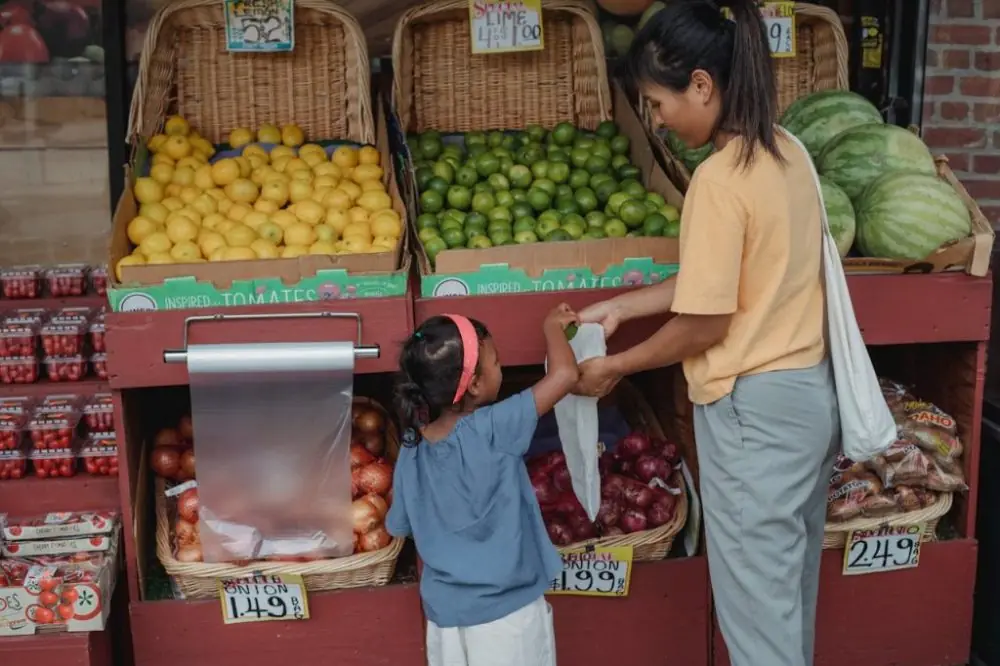
The war in Ukraine is no longer just a headline for most Russians. It now shows up at the checkout counter. Grocery bills are rising fast, and families feel it every week. For the first time since the full-scale invasion began, the economic damage feels personal.
The clearest sign of trouble sits on supermarket shelves. A basket of 59 everyday items in a Moscow chain store rose by 18.6% between January 2024 and January 2026. Official state data shows a similar figure, with food inflation at 18.1% over the same period.
Those numbers sound dry, but the effect is sharp. One Moscow resident said his monthly food budget jumped by more than 22% in just one month. That kind of spike forces people to rethink what goes into their cart.
The pain is not spread evenly across products. Dairy prices have climbed by 41%, which shocks many shoppers who once saw milk and cheese as stable staples. Even basic vegetables and fruit cost nearly 15% more, driven by import costs and supply problems.
Taxes and War Spending Fuel Inflation
That statement made the link clear. Consumers now pay more at the register, and part of that money goes straight to military spending. It is a direct connection between the battlefield and the grocery aisle.
High interest rates add another layer of strain. Farmers and food producers face expensive loans, which push up production costs. A labour shortage also hits farms and factories, as many workers are tied to the military or related industries.
Imports bring their own problems. Russia relies on foreign suppliers for many fruits and vegetables. A weaker rouble and supply chain disruptions since the start of the war make those goods more expensive before they even reach store shelves.
Households Cut Back as the Economy Slows
Retirees feel the pressure first. One 68-year-old pensioner in Moscow said her monthly pension of nearly 32,000 roubles now goes almost entirely to food. She has postponed fixing the family car and buying winter clothes for her husband.
Her story is not rare. Many pensioners have switched from beef to cheaper fish or chicken. Small sacrifices pile up and slowly chip away at the quality of life.
Working professionals are not spared. A marketing specialist in her mid 40s said she has dipped into her savings just to cover groceries. She now plans meals based on nutrition and price, not taste.
This careful approach shows how habits are changing. Dining out has become rare for many families. Even cooking at home feels like a budget exercise rather than a daily routine. Behind these personal stories sits a slowing national economy. After a burst of growth driven by heavy state spending, economic expansion dropped to just 1% in 2025. Wage growth can no longer keep pace with rising prices.
The federal budget depends heavily on oil revenue. Oil prices have fallen since the start of 2026, which has tightened government finances. Fresh sanctions from the United States have also disrupted oil sales to key buyers like India, adding more pressure.
Borrowing money is not easy for Moscow right now. High interest rates and wartime risks make investors cautious. If revenue falls short, the government may face hard choices such as more tax increases or cuts to public spending.
A Shift From Abstract to Personal

That image is fading at the supermarket checkout. When food prices rise by nearly 20% in two years, and dairy jumps by 41%, confidence weakens. People measure economic health by what they can afford to eat.
The war’s fourth anniversary is approaching, and patience is thinner. Inflation changes how people think about savings, retirement, and the future. It also shapes how they judge government decisions.