Single-use plastics are everywhere. They keep our snacks crunchy, our berries fresh, and our sandwiches from turning soggy. They are cheap, light, and effective. But once we are done with them, the problems begin.
These plastics don’t just vanish. A straw tossed today might outlive your grandchildren. Some plastics take centuries to break down, and even then, they don’t disappear. They become microplastics, tiny pieces that slip into soil, oceans, and even our bodies.
The Long Life of a Single-Use Item
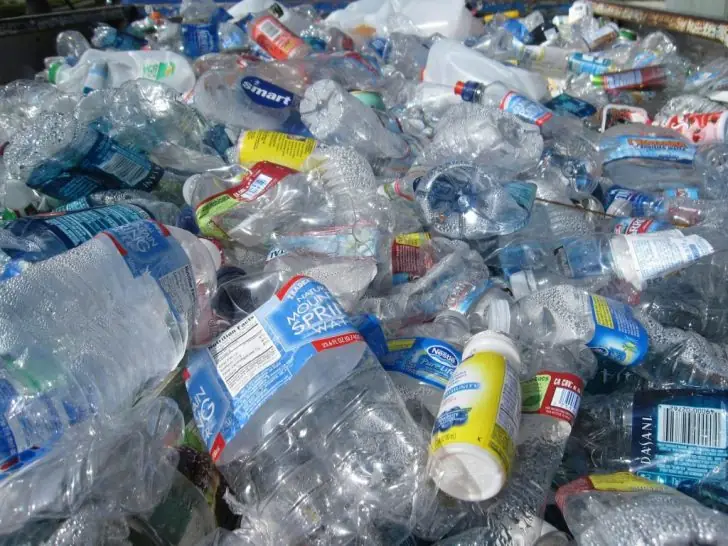
That plastic bag holding your salad might stick around for 20 years. A bottle of water? Try 500. These items are used once and tossed, but they stay in the world far longer than we ever intended. The worst part? About 91% of all plastic doesn’t get recycled.
Most ends up clogging landfills or drifting into the sea, where it chokes wildlife and ruins ecosystems.
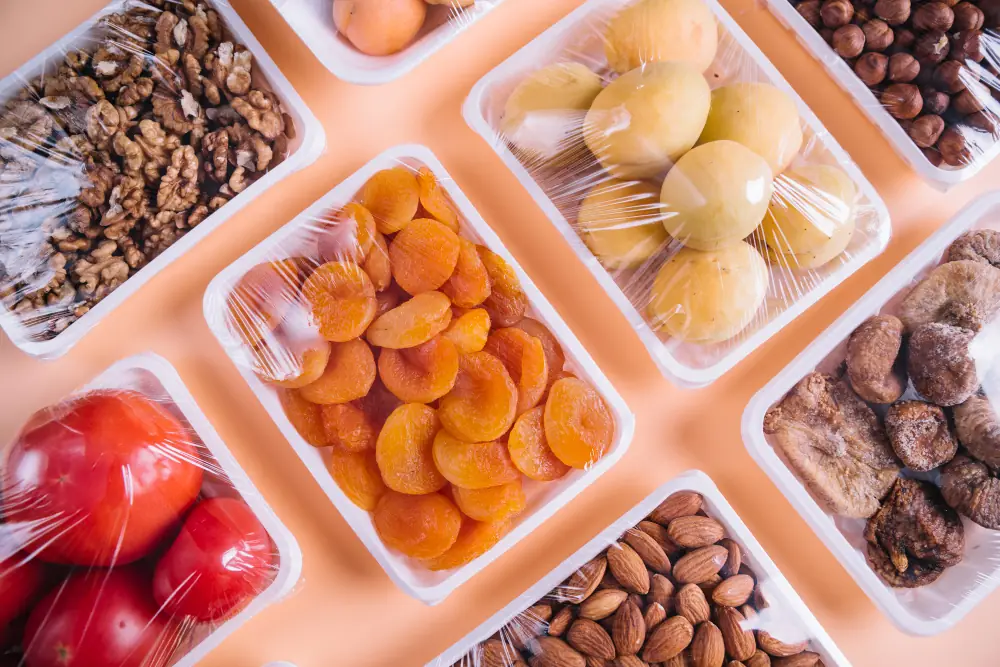
Packaging made from plastic helps food last longer. It shields it from light, air, and moisture. This cuts food waste by slowing rot and damage. Grocery stores can stock more, and food can travel farther. Without it, a lot more food would go bad before we ever get a chance to eat it.
This creates a strange trade. We reduce one kind of waste, which is food, by increasing another, which is plastic. The food stays fresh, but the plastic stays forever. And the food industry is a big part of it. Most plastic waste in Europe comes from packaging, and much of that is for food and drinks.
Creative Fixes That Break the Cycle
To fix this, we can’t just ban plastic overnight. We need smart, better ways to package food. The good news? Those solutions are already starting to show up.
One new approach is refillable and reusable systems. Instead of tossing containers, businesses are designing packaging that gets used again and again. For example, Eco Refill Systems delivers cooking oil to restaurants in reusable metal containers.
Another company, GaeaStar, uses 3D printing to make clay cups that you can reuse or smash back into the earth.
Packaging You Can Eat or Compost
Other companies are going even further. They are creating packaging you can eat. Yep, edible spoons and forks. Incredible Eats makes utensils from grains that hold up in hot soup but break down naturally. Some snack brands now use compostable wrappers made from plant-based materials. These break down safely in compost bins, no more plastic leftovers.
To fix this, companies are focusing on eco-design, making packaging that is easier to recycle from the start.
But recycling also depends on us. People often don’t know how to recycle properly. The rules can be confusing. What bin does this go in? Can I recycle this lid? Almost half of consumers find recycling guidelines unclear. To fix this, brands are starting to add better labels or use QR codes so people can scan and learn exactly what to do.
Laws Are Changing It
These changes are gaining speed. More people care. Governments are stepping in. In the U.S., states like California and New Jersey now require certain plastics to contain recycled materials. In Europe, new laws are pushing for cleaner, safer food packaging made from recycled plastic.
If you want to stay informed, keep an eye on industry reports. Groups like Innova Market Insights share research on packaging trends, new materials, and what is changing. Following this can help you make smarter choices at work or even just at the grocery store.