Egg-cellent! Debunking The Biggest and Most Outrageous Myths about Eggs!

Egg-cellent! Debunking The Biggest and Most Outrageous Myths about Eggs!

Eggs are one of the healthiest and most versatile foods we have. You can boil, scramble, or poach them and still get a nutritious and hearty meal.

While people of all ages from different walks of life feel they know everything about eggs, there are still a lot of misconceptions about this protein -packed food. Here are some myths debunked:

If you grew up watching your mom carefully place the eggs in the refrigerator, there’s a good chance that you now have the same habit. However, if you don’t live in the United States, then you probably don’t practice this.

In America, producers raising a specific number of chickens are required to wash their eggs with soap and enzymes to remove the cuticle that should keep the egg safe from pathogens. Storing them in the fridge helps keep the bacteria at bay.

However, in other places, such as the United Kingdom, washing eggs isn’t required because it is believed that the cuticle can already protect the egg from bacteria. The rule of the thumb is that if you buy a refrigerated set, you should store them in the fridge.

Not all of us are born chefs, so many of us understand the struggle of cracking an egg without actually leaving bits of shells on the food. Some people think that ingesting tiny pieces of eggshells is dangerous but that’s plainly unfounded.

However, a large piece can hurt your throat as it passes down, especially if not chewed. Plus, like eating raw eggs, you shouldn’t munch on raw eggshells or you’ll risk catching bacteria.

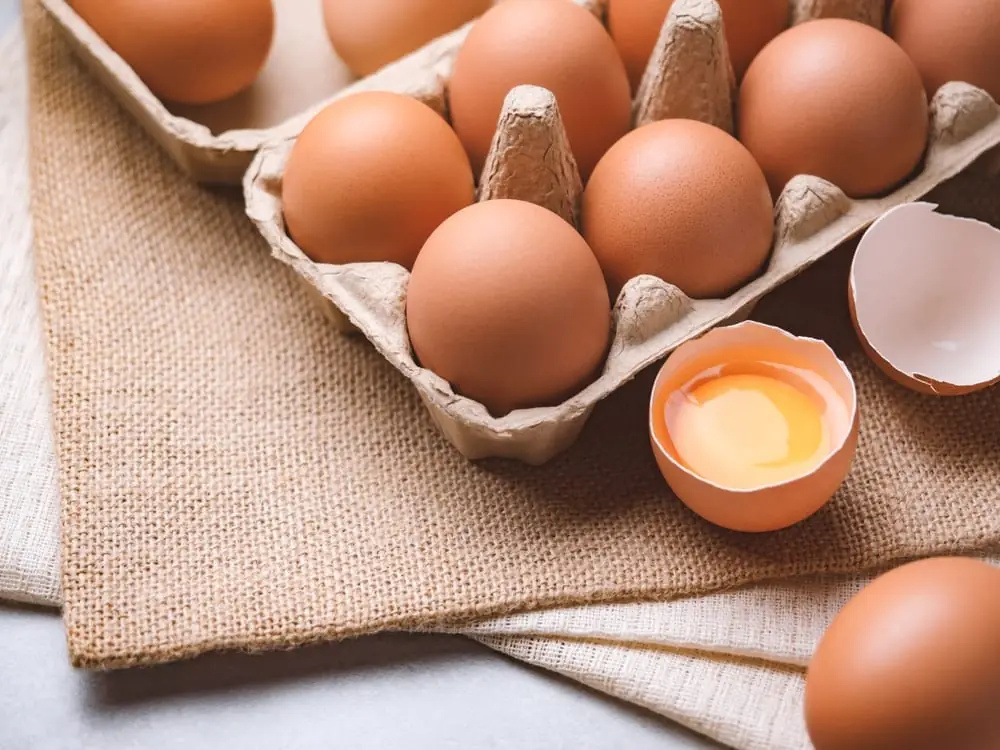
Although it isn’t clear why people assume brown eggs are better than the white ones, there certainly is no reason to discriminate when it comes to this wonder food. Brown and white both pack the same nutrients and taste the same.

Fictional characters and athletes on commercials make gulping raw eggs seem easy but just the thought of it is enough to make anyone throw up. Some people do consume raw eggs, thinking that it has more protein content than when cooked.

However, eating raw eggs is risky not to say icky. The most common infection you can get is salmonella . Moreover, a cooked egg packs more protein.

When you crack an egg, some people notice a seemingly white string attached to the yolk. Others feel the need to remove this, thinking that it’s dirty.

However, it’s called chalazae, the white strands that help keep the shape of yolk in the middle. As such, removing it or not is entirely up to your preference.


You May Also Like

Dairy Queen Adds a Fall-Inspired Blizzard to Its August Menu Food

Dairy Queen Adds a Fall-Inspired Blizzard to Its August Menu

Fall flavors are arriving earlier than usual, and Dairy Queen is joining the seasonal shift with a new Blizzard Treat. The chain’s August Blizzard of the Month combines familiar fall flavors with its signature soft serve, giving customers a dessert that blends cheesecake, caramel, and apple in one serving. Dairy Queen’s August featured Blizzard is […]

Helen Hayward August 21, 2026
Read More →
Millie Bobby Brown Recalls Being Food-Shamed on “Stranger Things” Set Food

Millie Bobby Brown Recalls Being Food-Shamed on “Stranger Things” Set

Millie Bobby Brown recently shared a lighthearted behind-the-scenes story from the set of “Stranger Things,” revealing how her favorite British comfort food often became the center of attention among her American castmates. During an appearance on Hot Ones, the actress explained that cultural differences around food led to plenty of teasing, especially whenever she brought […]

Helen Hayward July 24, 2026
Read More →
How Nuisance Deer in Syracuse Become Food for Local Families Food

How Nuisance Deer in Syracuse Become Food for Local Families

Across Syracuse, deer management is often discussed in terms of public safety, damaged gardens, vehicle collisions, and the growing spread of ticks. Yet the story does not end when nuisance deer are removed from neighborhoods. A little-known process takes place behind the scenes, connecting wildlife management efforts with food assistance programs that serve families across […]

Helen Hayward June 27, 2026
Read More →
Watching Food Videos Could Help You Eat Less, Study Finds Food

Watching Food Videos Could Help You Eat Less, Study Finds

Scrolling through rich, mouthwatering food videos is often blamed for unhealthy eating habits. Yet recent research suggests a surprising shift in how digital food content affects behavior. Instead of pushing people toward overeating, it may quietly help some individuals stay on track with their diet goals. A study led by researchers at the University of […]

Helen Hayward May 1, 2026
Read More →
How U.S. Food Companies Decide What’s Safe to Eat Food

How U.S. Food Companies Decide What’s Safe to Eat

Health risks linked to diet are becoming more common in the U.S., especially among children. Fifteen-year-old Tiara Channer was diagnosed with prediabetes at 13, a condition that affects one in five American kids and increases the risk of Type 2 diabetes, cardiovascular disease, and kidney problems. Tiara and her mother, Crystal Cauley, attribute her diagnosis […]

Helen Hayward April 5, 2026
Read More →